Heavenly Journeys Examined: Do Near-Death Experiences Truly Prove the Afterlife?
Stories of people claiming they died, entered Heaven, met Jesus, and later returned to tell the world have fascinated millions for decades. Whether through books, podcasts, documentaries, or viral social media posts, these accounts often describe vivid experiences of walking through Heaven, talking with angels, or receiving direct messages from God.
Such profound stories understandably bring up critical questions. Are these occurrences true glimpses into eternity? Are they reliable indicators of the heavenly realm? This analysis explores the phenomena of near-death experiences (NDEs), specific testimonies like Gabe Poirot's alleged visit to Heaven, and the biblical reasons why many Christians believe supernatural claims must be evaluated by Scripture rather than personal experience.
Why Near-Death Experiences Capture So Much Attention
Typically, near-death experiences happen following major accidents, severe medical crises, or instances where an individual is pronounced clinically dead for a brief duration. Those who survive these moments often report intensely vivid phenomena, including seeing bright lights, feeling overwhelming peace, traveling through tunnels, meeting deceased relatives, encountering angels, or claiming to see Jesus.
Due to the emotional and transformative nature of these stories, they spread like wildfire across social media, TV networks, local churches, and Christian circles. To many individuals, these accounts provide powerful reinforcement for their belief in the afterlife. On the other hand, many believe that such extraordinary claims demand rigorous biblical evaluation.
Can Personal Experiences Be the Foundation of Truth?
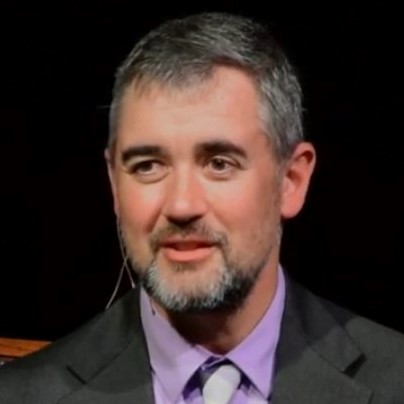
A core issue for many Christians is whether personal, mystical experiences can truly serve as solid proof of spiritual truth. Scripture frequently admonishes believers to walk in discernment rather than blindly accepting every supernatural claim.
Many Christians point to biblical texts that instruct the faithful to test the spirits, measure all teachings against the written Word, guard against spiritual deception, and rely on the objective truth of Scripture rather than subjective feelings. From a scriptural standpoint, even a deeply genuine experience can never supersede or equal the authority of God's Word.
The Growing Popularity of Heaven Testimonies
Over the past few years, the popularity of stories detailing visits to Heaven has grown immensely. Numerous authors have released bestselling books detailing direct dialogues with Jesus Christ, elaborate descriptions of what Heaven looks like, encounters with well-known biblical personalities, or revelations about future events.
Some testimonies become international bestsellers and influence millions of people. Yet, widespread popularity is never a baseline indicator of spiritual truth. History shows that many universally accepted concepts have ultimately proven false, highlighting the vital need for careful discernment.
Examining Claims Like Gabe Poirot's Story
A prominent example often debated within Christian circles is the story of Gabe Poirot, who claims he spent eighteen days in Heaven conversing with Jesus before coming back to life. Such stories naturally generate immense public interest because they offer an alleged firsthand glimpse into the eternal realm.
Followers and supporters frequently interpret these stories as uplifting validation of God's existence. Conversely, discerning believers argue that these assertions must be scrutinized by asking whether the account matches God's written Word or prioritizes a private experience above the public truth of the Bible. Instead of emotionally accepting or dismissing a claim, many Christians insist on filtering every testimony through the lens of Scripture.
Why Discernment Matters
Scripture repeatedly issues stern warnings regarding spiritual deception. Not every miraculous sign, dream, vision, or paranormal encounter is guaranteed to be from God. In fact, the Bible warns that deceptive teachers and false prophets can perform spectacular wonders while simultaneously steering people away from sound doctrine.
Consequently, believers are urged to cultivate sharp spiritual discernment through consistently reading the Bible, seeking God's guidance through prayer, and critically evaluating every testimony. Ultimately, discernment safeguards the faithful Alex Malarkey heaven trip lie from being swayed by highly emotional narratives that conflict with holy Scripture.
The Difference Between Faith and Experience
Subjective experiences can certainly be incredibly powerful, and countless individuals have undergone unique events that completely altered their perspective on reality. Nevertheless, historic Christianity teaches that sound faith rests upon the unshakeable foundation of God's written revelation rather than human experience.
Personal encounters might bolster an individual's faith, but they can never supplant Holy Scripture as the ultimate standard. Adhering to this safeguard prevents Christians from building their theology around private revelations that cannot be verified.
Why Some Christians Question Heaven Testimonies
When it comes to assessing contemporary stories of traveling to Heaven, a few major concerns routinely surface.
Contradictory Descriptions
For starters, various individuals provide vastly conflicting descriptions of what Heaven looks like. Certain books feature details that openly clash with other testimonies, which cast doubt on their overall reliability.
New Revelations
Furthermore, many of these modern testimonies introduce concepts or new doctrines completely foreign to the Bible. A vast majority of believers hold that the canon of Scripture is complete and must not be altered or added to by modern private visions.
Commercial Influence
The industry surrounding afterlife books, high-profile interviews, conferences, and documentaries can generate massive amounts of money. While profit motives do not strictly mean a testimony is false, it provides a strong reason for healthy skepticism instead of naive acceptance.
Emotional Appeal
Accounts of paradise naturally pull at a person's heartstrings and stir powerful feelings. However, feeling deeply touched by a story is never a valid substitute for critical scriptural testing.
What Does the Bible Emphasize?
Instead of urging Christians to seek out mystical visions or heavenly tourism, the Bible places its emphasis on true repentance, placing absolute faith in Jesus Christ, walking in obedience to scriptural commands, and loving God and neighbor. The core of the Christian faith is not centered on exotic visions, but on the historic, redemptive work of Jesus Christ on the cross and His resurrection.
The Importance of Testing Every Teaching
For centuries, faithful Christians have recognized the absolute necessity of measuring all doctrines against the standard of Scripture. Whenever you encounter a story or teaching regarding visions, dreams, miracles, prophecies, or trips to Heaven and Hell, it is imperative to investigate if the message truly squares with Holy Writ.
A story might move you deeply, but emotional inspiration is not the same as divine truth. Checking everything against the Word allows Christians to stay securely grounded in reality rather than falling prey to imaginative speculation.
Finding Confidence in God's Word
For true believers, absolute certainty about the afterlife does not stem from NDEs, but from the infallible promises recorded in the Bible. Believers find their ultimate assurance in the historical resurrection of Jesus and the absolute promise of salvation for those who place their trust in Him. Rather than looking to modern books or viral videos for proof of Heaven, believers should anchor their hearts in the unchanging truth of Scripture.
Conclusion
Personal narratives about trips to Heaven remain deeply captivating to global audiences. Stories that emerge from tragic accidents, clinical death, and alleged face-to-face talks with Christ naturally spark widespread curiosity and theological reflection.
Simultaneously, believers are called to handle every modern miraculous claim with a balance of humility, wisdom, and scriptural discernment. A personal story might be deeply compelling, but it must always remain subordinate to the timeless truths of God's Word.

Regardless of whether the topic is modern heavenly tourism, NDEs, or private prophetic revelations, the final metric for truth is always the Bible. By choosing to build their faith upon the bedrock of the Bible rather than sensational experiences, believers can explore these fascinating topics safely while staying fiercely committed to the true message of Jesus Christ.